The menopause marks the time when you stop having periods and can no longer become pregnant naturally. It usually occurs between the ages of 45 and 55, though it can happen earlier or later.
During this stage, the decline in oestrogen levels is responsible for many menopause symptoms such as palpitations, aches and pains, and “brain fog.”
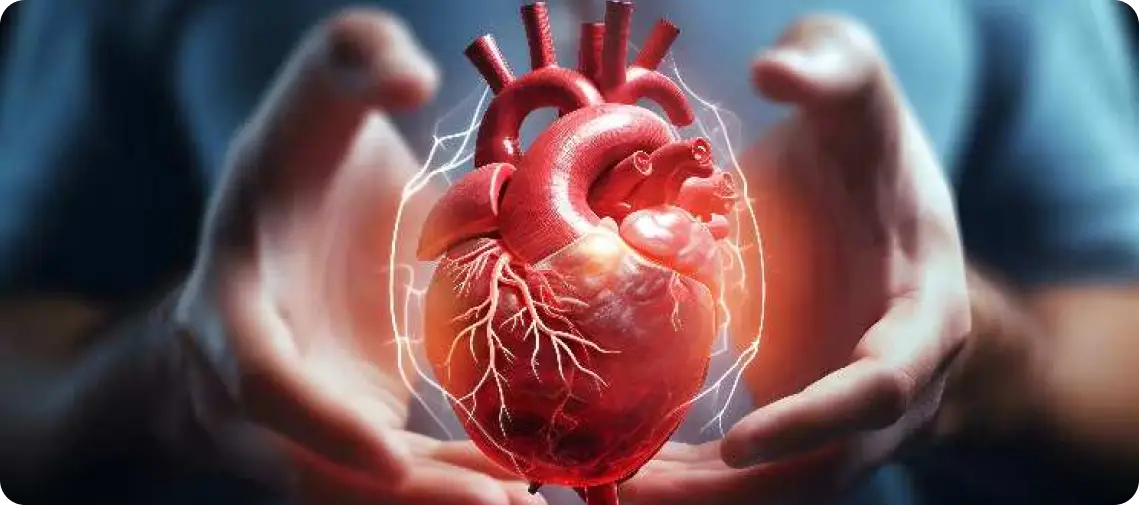
Oestrogen also plays a key role in protecting the heart—it helps regulate cholesterol levels and reduces the buildup of fat in the coronary arteries.
How Menopause Affects Heart Health
1. Cholesterol Levels
Oestrogen helps regulate cholesterol levels. After menopause, levels of “bad” LDL cholesterol tend to rise, while “good” HDL cholesterol may decrease. This change increases the risk of developing heart disease.
2. Artery Health
A loss of oestrogen can cause fatty plaque buildup in the arteries, making them narrower and stiffer. This can lead to higher blood pressure and increase the risk of a heart attack or stroke.
3. Weight Gain
Hormonal changes during menopause can slow down your metabolism, leading to weight gain—particularly around the abdomen. Abdominal fat is an additional risk factor for coronary heart disease.
4. Blood Pressure
With reduced oestrogen, blood vessels lose flexibility, resulting in increased blood pressure. Over time, this places extra strain on the heart and circulatory system.
5. Diabetes Risk
Menopausal hormonal changes can make it harder for the body to control blood sugar levels, increasing the likelihood of type 2 diabetes—another major contributor to heart disease.
Early Menopause and Heart Disease Risk
Experiencing early menopause (before age 45) can raise your risk of coronary artery disease.
It’s essential to understand your individual risk factors and take steps to maintain a healthy heart. Speak with your doctor or cardiologist for guidance, lifestyle recommendations, and screening options.