Dr Sveeta Badiani

Service

Bubble Echocardiogram

Sometimes, understanding how well your heart and blood vessels are working — particularly in the assessment of Structural Heart Disease — requires a closer look. A Bubble Echocardiogram is one of the most effective ways to do that. This specialised ultrasound scan uses sound waves to create detailed images of your heart, while harmless microbubbles injected into a vein help visualise the blood flow between the heart’s chambers.

What is Bubble Echocardiogram?

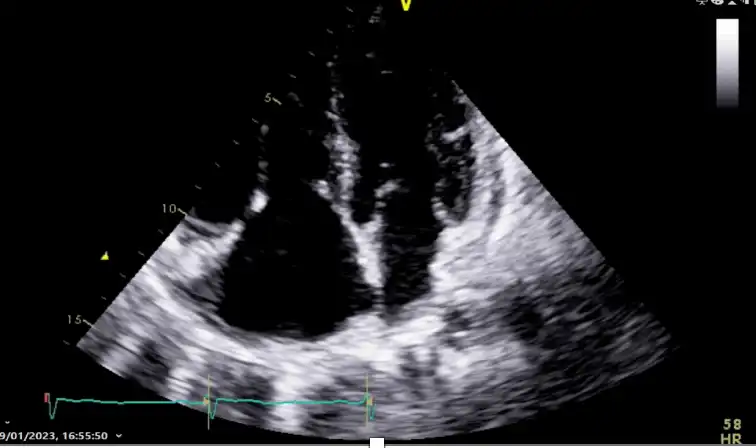
A “bubble echo” is a type of echocardiogram, which is an ultrasound of the heart, where harmless microbubbles are injected into a vein to help doctors see blood flow and detect a small hole between the heart’s upper chambers, known as a patent foramen ovale (PFO).

During a Transthoracic Echocardiogram (Echo), with heart rhythm monitored by an Electrocardiogram (ECG), saline bubbles are tracked on the ultrasound. If they appear on the left side of the heart, it indicates blood is passing through this hole from the right side.

Bubble echocardiogram
Bubble Echocardiogram

Common Reasons for a Bubble Echocardiogram

Your cardiologist may recommend a bubble echocardiogram to investigate or confirm:

Unexplained Stroke or Migraine

To detect a small hole in the heart (PFO) that may allow tiny clots to pass through.

To assess whether abnormal blood flow between heart chambers is contributing to symptoms.

To identify small defects not seen in standard scans.

How Do I Know If I Need a Bubble Echocardiogram?

You might be advised to have this scan if:

01

Stroke or TIA with No Clear Cause

To check for a hidden heart connection like a PFO.

02

Recurrent Migraines

Especially if other tests haven’t found a reason.

03

An Echocardiogram Showed Unclear Results

The bubble study provides added detail.

04

Breathlessness or Fatigue

To evaluate potential shunts affecting oxygen levels.

05

Cardiologist Recommends Further Assessment

As part of a broader heart health investigation.

Related Treatments

star

Cardiology Consultation

Comprehensive heart care for patients of all ages, addressing chest pain, palpitations, breathlessness, and other cardiac concerns.

two elderly dating
star

Cardiology Consultation

Comprehensive heart care for patients of all ages, addressing chest pain, palpitations, breathlessness, and other cardiac concerns.

two elderly dating

Dos and Don’ts for Managing Chest Pain

  • Seek immediate medical attention if chest pain is severe or unexplained.
  • Keep track of frequency, duration, and triggers of your chest pain.
  • Adopt a heart-healthy diet and lifestyle.
  • Take medications as prescribed.
  • Attend regular cardiology check-ups.
  • Don’t ignore sudden or recurring chest pain.
  • Don’t self-medicate without consulting a doctor.
  • Don’t delay emergency care if symptoms suggest a heart attack.
  • Don’t continue smoking or excessive alcohol consumption.
  • Don’t skip prescribed treatments or follow-ups.
Dr Sveeta Badiani

Have More Any Questions?

Clear answers to common questions about appointments, investigations and what to expect at your first visit.

Frequently Asked Questions  About Our Services

What conditions does Dr Badiani treat?

Dr Badiani manages a wide range of adult cardiology problems including chest pain, breathlessness, palpitations, syncope, heart failure and valve disorders, along with blood pressure and cholesterol management.

You may have an ECG and/or echocardiography arranged. If needed, further tests such as stress echocardiography, ambulatory monitoring or blood tests will be organised promptly.

Appointments require booking; please use the clinic booking portal or contact the clinic to discuss referral or self-referral options.

Consultations are provided in English and Gujarati; please inform reception if you need language support.

icon
Dr Sveeta Badiani