Dr Sveeta Badiani

icon
Dr Sveeta Badiani
Service

Cardiac MRI

Your heart tells a story and sometimes, seeing it in detail is the only way to truly understand what’s happening inside. A cardiac MRI offers a clear, 3D view of your heart’s structure and function, revealing insights that other tests can’t always show.

What is Cardiac MRI?

A cardiac MRI uses magnets and radio waves to create detailed images of the heart, its valves, chambers, and blood vessels, showing both structure and function. It is a non-invasive test used to diagnose and monitor a wide range of heart conditions such as heart muscle damage, heart failure, congenital heart disease, and tumors—often without using radiation. During the scan, which can last 45 to 90 minutes, patients lie inside a large, tunnel-shaped machine and may be asked to hold their breath at times.

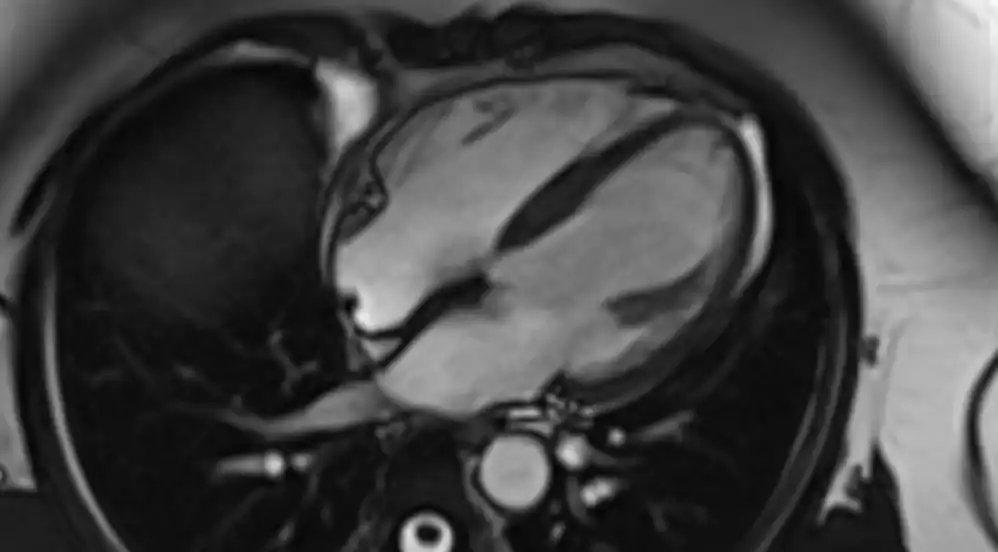
Cardiac MRI

What Happens During a Cardiac MRI

icon

Preparation

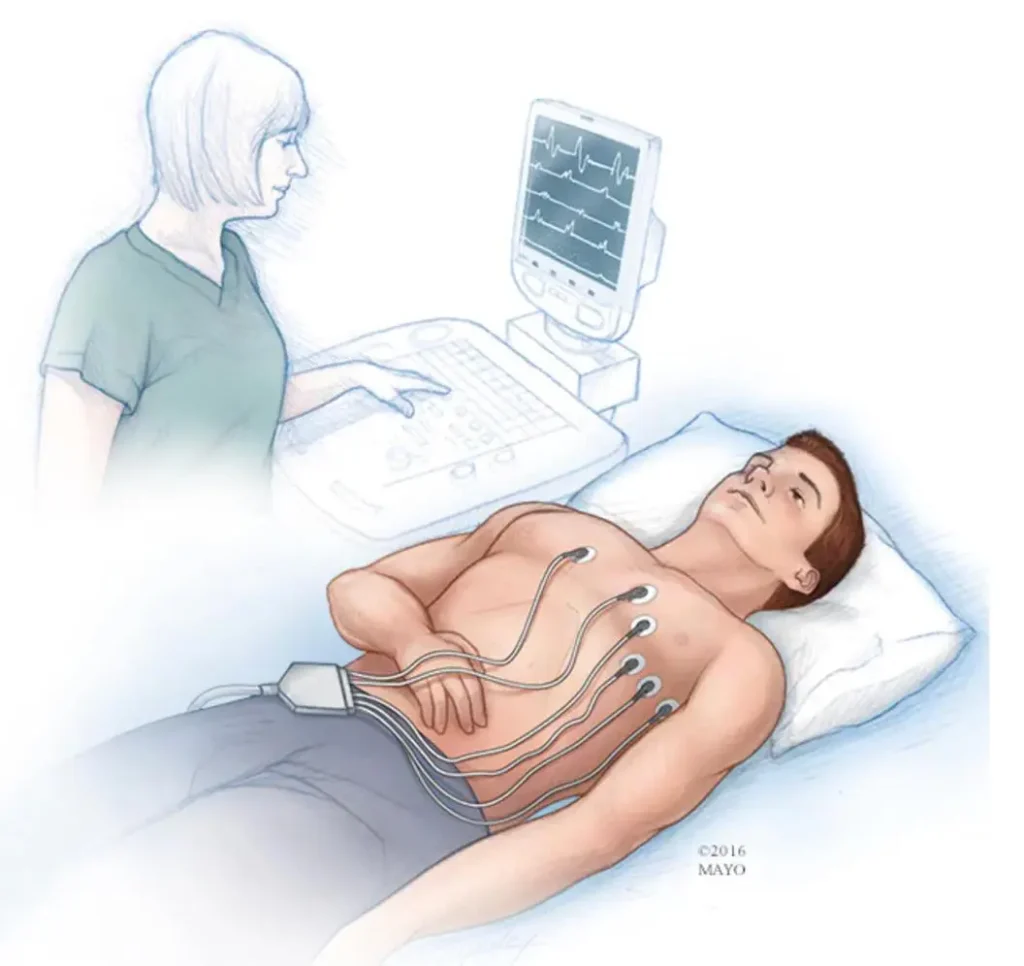
You will lie on a table that slides into a tunnel-shaped MRI scanner. Electrocardiogram (ECG) stickers will be attached to your chest to monitor your heartbeat, and the radiographer may shave a small patch of chest hair for better adhesion.

icon

The Scan

The machine uses strong magnetic fields and radio waves to take pictures. You will need to lie still to avoid blurred images.

icon

Instructions

You may be asked to hold your breath for short periods (around 15–20 seconds) to get clearer pictures.

icon

Noise and Comfort

The machine can be very loud, but you will likely be offered earplugs or headphones to listen to music. If you are claustrophobic, talk to your doctor beforehand, as you may be offered a mild sedative.

icon

Contrast Dye

In some cases, a contrast dye, often containing gadolinium, may be injected through a vein in your arm to provide more detailed images of scar tissue or blood flow.

icon

Duration

A cardiac MRI typically takes 45 to 90 minutes, depending on the complexity and the number of images required.

What a Cardiac MRI Can Diagnose

  • Heart muscle damage or inflammation (myocarditis)
  • Congenital heart disease
  • Heart failure or an enlarged heart
  • Heart valve disease
  • Thickening of the heart muscle (hypertrophic cardiomyopathy)
  • Problems with the aorta
  • Cardiac tumors
  • Scar tissue from a previous heart attack

Important Considerations

Metallic Implants

Inform the clinical team before the scan if you have any metallic implants, as the strong magnet can pose a risk.

Claustrophobia and Anxiety

If you are concerned about confined spaces, speak with your doctor about a sedative before the appointment.

ECG
doctor working with ct scan results

Common Reasons for a Cardiac MRI

Not every patient with heart concerns needs an MRI, but we may recommend it to:

Assess Heart Function

Often described as a squeezing or heavy feeling, commonly linked to angina or blocked arteries.

Identify areas of the heart muscle affected by previous heart attacks or inflammation.

Check for narrowing or leakage that affects blood flow.

How Do I Know If I Need a Cardiac MRI?

You may be referred for a cardiac MRI if you experience unexplained chest pain, breathlessness, or abnormal results from other heart tests.

01

Unexplained Chest Pain

When other tests can’t identify the cause.

02

History of Heart Attack

To check for permanent damage or scarring.

03

Suspected Cardiomyopathy

To examine the heart muscle’s thickness and function.

04

Valve Problems

To assess how blood flows through the heart.

05

Inflammation or Infection

To identify myocarditis or pericarditis.

Related Treatments

star

Cardiology Consultation

Comprehensive heart care for patients of all ages, addressing chest pain, palpitations, breathlessness, and other cardiac concerns.

two elderly dating
star

Cardiology Consultation

Comprehensive heart care for patients of all ages, addressing chest pain, palpitations, breathlessness, and other cardiac concerns.

two elderly dating

Dos and Don’ts for Managing Chest Pain

  • Seek immediate medical attention if chest pain is severe or unexplained.
  • Keep track of frequency, duration, and triggers of your chest pain.
  • Adopt a heart-healthy diet and lifestyle.
  • Take medications as prescribed.
  • Attend regular cardiology check-ups.
  • Don’t ignore sudden or recurring chest pain.
  • Don’t self-medicate without consulting a doctor.
  • Don’t delay emergency care if symptoms suggest a heart attack.
  • Don’t continue smoking or excessive alcohol consumption.
  • Don’t skip prescribed treatments or follow-ups.
Dr Sveeta Badiani

Have More Any Questions?

Clear answers to common questions about appointments, investigations and what to expect at your first visit.

Frequently Asked Questions  About Our Services

What conditions does Dr Badiani treat?

Dr Badiani manages a wide range of adult cardiology problems including chest pain, breathlessness, palpitations, syncope, heart failure and valve disorders, along with blood pressure and cholesterol management.

You may have an ECG and/or echocardiography arranged. If needed, further tests such as stress echocardiography, ambulatory monitoring or blood tests will be organised promptly.

Appointments require booking; please use the clinic booking portal or contact the clinic to discuss referral or self-referral options.

Consultations are provided in English and Gujarati; please inform reception if you need language support.