Dr Sveeta Badiani

Service

Transoesophageal Echocardiogram

Performed by Dr Sveeta Badiani, Consultant Cardiologist in London, this advanced test allows for an exceptionally detailed view of heart valves, chambers, and blood flow. It’s particularly valuable when other echocardiograms don’t give clear results, helping guide accurate diagnosis and treatment with confidence.

Transoesophageal Echocardiogram

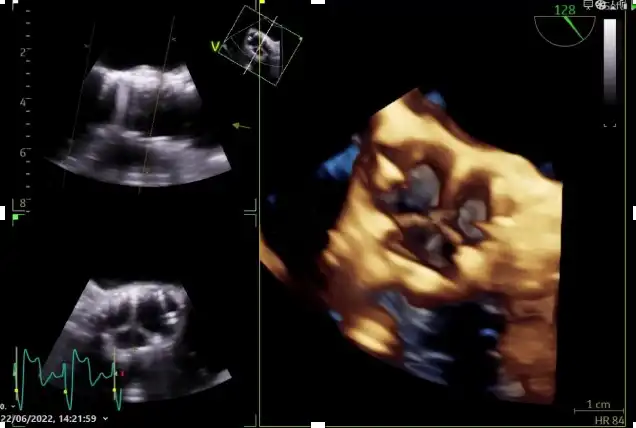
A transoesophageal echocardiogram (TOE) is an ultrasound scan that uses a small, flexible probe, passed down the throat and into the oesophagus, to take detailed, high-quality images of the heart.

This method provides clearer images than standard echocardiograms because the oesophagus is positioned directly behind the heart, allowing doctors to get unobstructed views of the heart’s chambers, valves, and structure to diagnose conditions such as heart valve disease, valve issues, blood clots, or heart infections.

Echocardiogram
Echocardiogram

Common Reasons for a TOE

Your cardiologist may recommend a Transoesophageal Echocardiogram to:

Assess Heart Valve Function

Identify narrowing, leakage, or infection affecting valve performance.

Especially inside the heart chambers after a stroke or fever.

Provide detailed images of structural abnormalities present from birth.

How Do I Know If I Need a TOE?

You might be advised to have a Transoesophageal Echocardiogram if:

01

You’ve Had a Stroke or TIA

To check for clots or holes in the heart.

02

A Standard Echo Was Inconclusive

When clearer, closer imaging is required.

03

You Have Valve Disease

To assess severity or plan for surgery or repair

04

You’re Undergoing a Cardiac Procedure

Such as device placement or PFO closure.

05

There’s a Risk of Heart Infection (Endocarditis)

To confirm diagnosis and guide treatment.

Dos and Don’ts for Managing Chest Pain

  • Seek immediate medical attention if chest pain is severe or unexplained.
  • Keep track of frequency, duration, and triggers of your chest pain.
  • Adopt a heart-healthy diet and lifestyle.
  • Take medications as prescribed.
  • Attend regular cardiology check-ups.
  • Don’t ignore sudden or recurring chest pain.
  • Don’t self-medicate without consulting a doctor.
  • Don’t delay emergency care if symptoms suggest a heart attack.
  • Don’t continue smoking or excessive alcohol consumption.
  • Don’t skip prescribed treatments or follow-ups.
Dr Sveeta Badiani

Have More Any Questions?

Clear answers to common questions about appointments, investigations and what to expect at your first visit.

Frequently Asked Questions  About Our Services

What conditions does Dr Badiani treat?

Dr Badiani manages a wide range of adult cardiology problems including chest pain, breathlessness, palpitations, syncope, heart failure, valve disorders and structural cardiac assessment, along with blood pressure and cholesterol management.

You may have an ECG and/or echocardiography arranged. If needed, further tests such as stress echocardiography, ambulatory monitoring or blood tests will be organised promptly.

Appointments require booking; please use the clinic booking portal or contact the clinic to discuss referral or self-referral options.

Consultations are provided in English and Gujarati; please inform reception if you need language support.

icon
Dr Sveeta Badiani