
Understanding High Cholesterol and Its Impact on Your Health
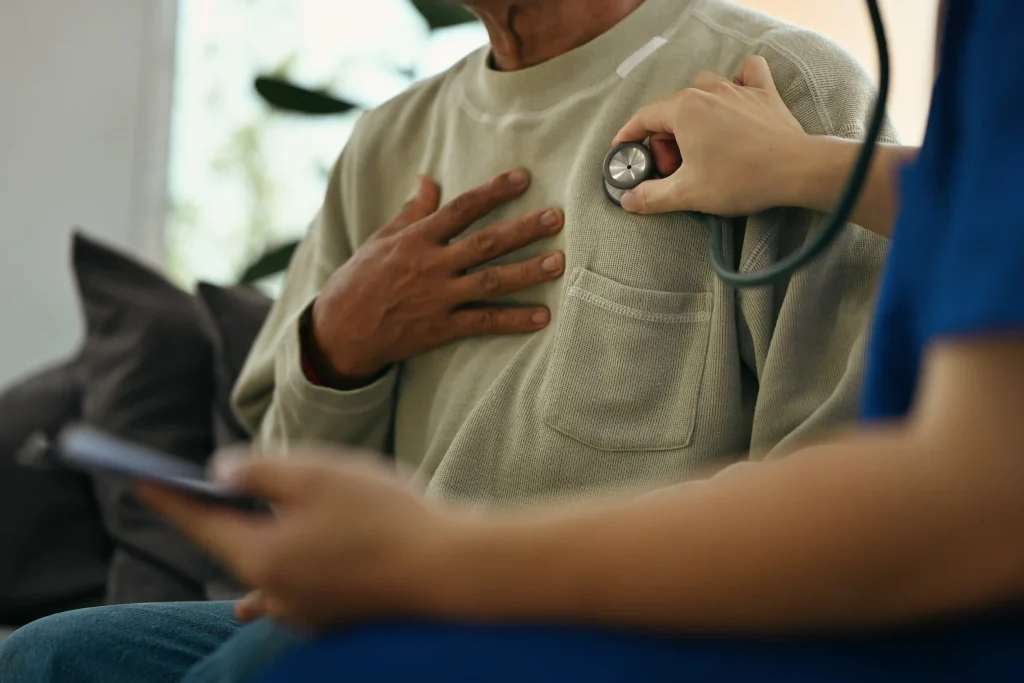
High cholesterol is a prevalent condition that, despite its commonality, is often misunderstood. It refers to the presence of excessive amounts of cholesterol, a waxy substance, in the blood. While the body requires cholesterol to build healthy cells, elevated levels can lead to significant health complications. Dr Sveeta Badiani, a distinguished cardiologist in the UK, emphasizes the importance of understanding this condition, as it is a key risk factor for cardiovascular disease. The insidious nature of high cholesterol lies in its typical lack of symptoms in the initial stages, making it a silent threat to many.
The Silent Progression of High Cholesterol
For the majority of individuals, high cholesterol is asymptomatic. It does not announce its presence with overt signs or discomfort. This is why it is often referred to as a “hidden” health issue. The danger, as Dr Sveeta Badiani often explains to her patients, is that without any noticeable symptoms, individuals may be unaware of the accumulating damage within their arteries. Over time, the excess cholesterol can deposit on the artery walls, a process known as atherosclerosis. This build-up, called plaque, can narrow the arteries, restricting blood flow and setting the stage for serious cardiovascular events.
The Development of Atherosclerosis
Atherosclerosis is a gradual process that can begin in early adulthood and progress over many years. The plaque that forms is a combination of cholesterol, fats, cellular waste products, calcium, and fibrin. As these plaques grow, they can harden and narrow the arteries, making it more difficult for blood to flow through. This reduced blood flow can affect any artery in the body, including those supplying the heart, brain, and limbs. Dr Sveeta Badiani notes that the consequences of atherosclerosis are far-reaching and can manifest in various ways depending on the location of the affected arteries.
Recognising the Subtle Warning Signs
While high cholesterol itself is often silent, the complications arising from it can produce noticeable symptoms. These symptoms are not of high cholesterol directly, but rather of the underlying atherosclerosis and reduced blood flow. It is crucial to recognise these warning signs, as they may indicate that the condition has progressed to a more advanced stage. Dr Sveeta Badiani advises that paying attention to these subtle cues can be life-saving.
Chest Pain and Discomfort (Angina)
One of the most common warning signs associated with high cholesterol-induced atherosclerosis is angina. This is characterized by chest pain, tightness, or discomfort that occurs when the heart muscle does not receive enough oxygen-rich blood. The pain is often described as a pressure or squeezing sensation and may radiate to the shoulders, arms, neck, jaw, or back. Dr Sveeta Badiani explains that angina is a clear indication that the coronary arteries, which supply blood to the heart, have become significantly narrowed.
Shortness of Breath
Feeling breathless, especially with minimal exertion, can be another sign of underlying heart problems related to high cholesterol. When the heart cannot pump blood efficiently due to narrowed arteries, it can lead to a backup of blood in the lungs, causing shortness of breath. Dr Sveeta Badiani highlights that this symptom should never be ignored, as it can be a sign of heart failure, a serious condition where the heart is unable to meet the body’s demands for blood and oxygen.
Pain in the Legs and Extremities
When atherosclerosis affects the arteries in the legs and feet, it can lead to a condition called peripheral artery disease (PAD). A common symptom of PAD is intermittent claudication, which is a cramping pain in the legs that occurs during exercise and is relieved by rest. Dr Sveeta Badiani points out that this pain is a result of the leg muscles not receiving enough blood to keep up with the increased demand during physical activity. Other signs of PAD can include numbness, weakness, or a cold feeling in the legs or feet.
The More Serious Complications
If left unmanaged, the consequences of high cholesterol and atherosclerosis can be severe and life-threatening. These complications often occur suddenly and require immediate medical attention. Dr Sveeta Badiani stresses that proactive management of cholesterol levels is essential to prevent these devastating events.
Heart Attack
A heart attack occurs when a plaque in a coronary artery ruptures, leading to the formation of a blood clot that completely blocks the artery. This cuts off the blood supply to a portion of the heart muscle, causing the tissue to die. The symptoms of a heart attack can include severe chest pain, shortness of breath, sweating, nausea, and light-headedness. Dr Sveeta Badiani underscores the urgency of seeking emergency medical help if a heart attack is suspected.
Stroke
A stroke can occur in two main ways related to high cholesterol. An ischemic stroke happens when a blood clot blocks an artery that supplies blood to the brain. This can be caused by a clot that forms in a narrowed artery in the neck or travels from another part of the body, such as the heart. A hemorrhagic stroke, while less common, can occur if an artery in the brain weakens and ruptures. The symptoms of a stroke can include sudden numbness or weakness in the face, arm, or leg, especially on one side of the body; confusion; trouble speaking or understanding speech; vision problems; and a severe headache. Dr Sveeta Badiani advises that prompt medical attention is critical to minimise the damage caused by a stroke.
The Importance of Regular Screening
Given the silent nature of high cholesterol, regular screening is paramount for early detection and prevention of its complications. A simple blood test, known as a lipid profile, can measure the levels of different types of cholesterol in the blood. Dr Sveeta Badiani recommends that adults should have their cholesterol levels checked regularly, with the frequency depending on their age, risk factors, and family history. Early detection allows for timely intervention, which can significantly reduce the risk of developing cardiovascular disease.
Understanding Your Cholesterol Numbers
The lipid profile provides several key measurements, including total cholesterol, low-density lipoprotein (LDL) cholesterol, high-density lipoprotein (HDL) cholesterol, and triglycerides. LDL cholesterol is often referred to as “bad” cholesterol because it contributes to plaque formation, while HDL cholesterol is known as “good” cholesterol because it helps remove excess cholesterol from the arteries. Dr Sveeta Badiani works closely with her patients to interpret their cholesterol results and develop a personalised management plan.
Taking Control of Your Cholesterol
Fortunately, high cholesterol is a manageable condition. Lifestyle modifications and, in some cases, medication can effectively lower cholesterol levels and reduce the risk of cardiovascular disease. Dr Sveeta Badiani empowers her patients to take an active role in their health by adopting heart-healthy habits.
Lifestyle Changes for a Healthier Heart
A heart-healthy diet is fundamental to managing cholesterol. This involves reducing the intake of saturated and trans fats, which are found in red meat, full-fat dairy products, and many processed foods. Instead, the focus should be on consuming more fruits, vegetables, whole grains, and lean proteins. Regular physical activity is also crucial, as it can help raise HDL cholesterol and lower LDL cholesterol and triglycerides. Maintaining a healthy weight and quitting smoking are other essential steps in managing cholesterol and improving overall cardiovascular health.
Frequently Asked Questions (FAQs)
What are the main symptoms of high cholesterol?
High cholesterol itself typically has no symptoms. However, as explained by Dr Sveeta Badiani, the complications arising from it, such as atherosclerosis, can lead to symptoms like chest pain (angina), shortness of breath, and pain in the legs. These are warning signs that should be taken seriously.
How often should I get my cholesterol checked?
The frequency of cholesterol screening depends on your age, risk factors, and family history. Dr Sveeta Badiani recommends discussing a screening schedule with your GP or a cardiologist to determine what is appropriate for you.
Can I lower my cholesterol without medication?
In many cases, lifestyle changes such as a heart-healthy diet, regular exercise, and weight management can significantly lower cholesterol levels. However, as Dr Sveeta Badiani advises, some individuals may also require medication to achieve their target cholesterol levels and reduce their cardiovascular risk.
What is the difference between ‘good’ and ‘bad’ cholesterol?
‘Bad’ cholesterol (LDL) contributes to the build-up of plaque in your arteries, which can lead to blockages. ‘Good’ cholesterol (HDL) helps to remove excess cholesterol from your body. Dr Sveeta Badiani can provide a detailed explanation of your cholesterol profile and what it means for your health.
Conclusion
While the symptoms of high cholesterol are often subtle or non-existent in the early stages, the potential consequences are serious and far-reaching. Understanding the warning signs of its complications and the importance of regular screening is vital for protecting your heart health. Dr Sveeta Badiani is dedicated to providing expert guidance and personalised care to help individuals manage their cholesterol and lead healthier lives.